
By GRReporter
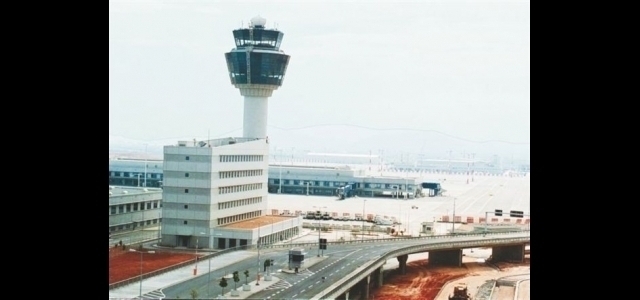
"The controversial amendment to the law is not only destroying the existing structure of the Greek air transport, but it is also creating conditions for the sale of state-owned airports, which will have tragic consequences for tourism and the social structure of the regions," said trade unionists. The majority of these airports are not used at present or are in poor condition because the state does not have available funds to modernize the facilities or improve the existing infrastructure.
The country will remain without ships and ferries on Wednesday because of the 24-hour strike
 announced
by the trade union of port workers (ARO). They are again bringing to
the fore their demands to retain the collective agreements, which were
in force before the crisis. They are also against the reform in the
structure of public seafaring. In addition, trade unionists refuse to
accept the establishment of private educational institutions, which
along with the already established public schools, will train
professionals for commercial and tourist shipping. The protest will
involve civilian employees of the Ministry of Shipping, who have
announced a six-hour strike at twelve at noon on the same day.
announced
by the trade union of port workers (ARO). They are again bringing to
the fore their demands to retain the collective agreements, which were
in force before the crisis. They are also against the reform in the
structure of public seafaring. In addition, trade unionists refuse to
accept the establishment of private educational institutions, which
along with the already established public schools, will train
professionals for commercial and tourist shipping. The protest will
involve civilian employees of the Ministry of Shipping, who have
announced a six-hour strike at twelve at noon on the same day.The blockade of the shipping transport has been planned to take place on the day of the last discussion on the bill to reform shipping before its submission for a vote in parliament. The trade union of port workers is adamant that the strike on Wednesday will not be the last one if the law is passed, although they have been under civil mobilization since last summer.
 The
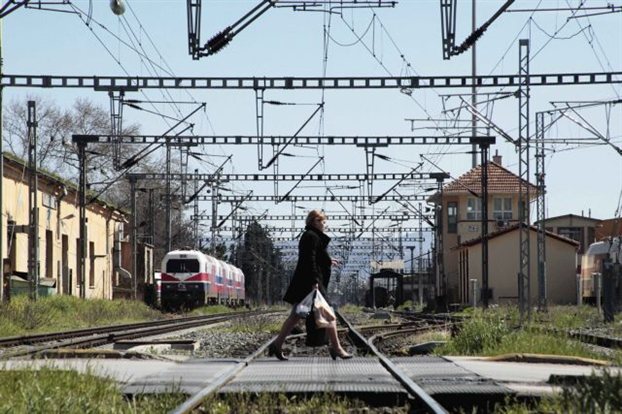
public railways have also announced a strike. It will be held from
Wednesday, 3 April, to Friday, 5 April this year, when the trains will
not run between four in the afternoon and midnight. The Hellenic
Federation of Railway Workers is against the transfer of the ownership
of TRAINOSE (the company that manages the public railways) to the
Privatization Agency. The unions insist that there are effectively
operating public railways in all euro zone countries. Like the trade
unionists from other sectors, they are against the privatization policy
of the tripartite government and are ready to use all legal means to
prevent the public companies from becoming private.
The
public railways have also announced a strike. It will be held from
Wednesday, 3 April, to Friday, 5 April this year, when the trains will
not run between four in the afternoon and midnight. The Hellenic
Federation of Railway Workers is against the transfer of the ownership
of TRAINOSE (the company that manages the public railways) to the
Privatization Agency. The unions insist that there are effectively
operating public railways in all euro zone countries. Like the trade
unionists from other sectors, they are against the privatization policy
of the tripartite government and are ready to use all legal means to
prevent the public companies from becoming private. "The European governments have rejected the British model of the 1980s, when the privatization of public companies had reduced the safety and quality of services. At the same time, they increased the fares, thus burdening the passengers. This is the model that today's government wants to apply to the Greek railways. They will have the same fate as the fate of British railways years ago," reads the official announcement of the trade union.
Greek journalists comment that this is only the beginning of a new wave of strikes and protests, which will start at the beginning of spring. The government is to push the privatization programme by the middle of the year, which will inevitably intensify the protest actions.
http://www.grreporter.info/en/strikes_block_flights_railways_and_ships/9001

No comments:
Post a Comment